
Last Updated: January 2026
⚠️ Important Context: Educational & Historical Focus
This article explores the historical use of Ilm-ul-Adad (Science of Numbers) within Sufi traditions for educational purposes only. We document these practices to preserve Islamic intellectual history, not to promote or endorse them as religious obligations.
Key Points:
- Ilm-ul-Adad was used by some Sufi masters, not universally accepted in Islam
- These practices are historically documented, not religiously mandated
- Many orthodox scholars criticized or rejected these methods
- This is not a guide for spiritual practice—consult qualified scholars for religious guidance
Introduction: Sufism & the Science of Letters
Ilm-ul-Adad (عِلْم العَدَد, “Science of Numbers”) and Ilm-ul-Huruf (عِلْم الحُرُوف, “Science of Letters”) were branches of Islamic esoteric knowledge explored by certain Sufi orders and mystical scholars between the 9th and 16th centuries.
Unlike the mainstream Islamic sciences (TafsirQuranic exegesis and interpretation, HadithProphetic traditions and sayings, FiqhIslamic jurisprudence and law), these disciplines occupied a controversial space—valued by some mystics as tools for spiritual reflection, yet viewed with suspicion by orthodox scholars who feared they veered into innovation (Bid’ah) or superstition.
🕌 What is Ilm-ul-Adad?
Ilm-ul-Adad is the study of numeric values assigned to Arabic letters (via the Abjad system) and their perceived spiritual, mathematical, or symbolic significance. Sufi practitioners used it for:
- Dhikr calculation: Determining optimal repetitions of divine names
- Wafq (magic squares): Creating geometric patterns for meditation
- Name analysis: Exploring numeric relationships in Allah’s names (Asma-ul-Husna)
- Spiritual exercises: Using letter values as contemplative tools
Note: These practices were not part of mainstream Islamic theology and remain debated among scholars.
Historical Context: The Rise of Letter Sciences in Sufism
Timeline of Ilm-ul-Adad in Sufi Tradition
Hover over each period to explore
8th Century: Early Foundations
Early mystics like Dhul-Nun al-Misri (d. 859) and Sahl al-Tustari (d. 896) explored symbolic interpretations of Quranic letters, laying groundwork for later systematization.
10th–12th Century: Systematization
Scholars like Ibn Arabi (d. 1240) and Al-Ghazali (d. 1111) developed sophisticated theories of letter symbolism. Al-Ghazali cautiously acknowledged letter sciences but warned against excesses.
13th–15th Century: Peak Usage
Ahmad al-Buni (d. 1225) authored Shams al-Ma’arif, the most comprehensive text on Ilm-ul-Adad. Sufi orders like the Naqshbandi and Shadhili integrated these practices into spiritual training.
16th Century Onward: Decline & Criticism
Orthodox movements (Salafi reforms, Ibn Taymiyyah’s influence) criticized these practices as innovations. By the 19th century, most mainstream Sufi orders had abandoned or de-emphasized Ilm-ul-Adad.
Prominent Sufi Masters Who Used Ilm-ul-Adad
Click or hover to explore each master’s contributions
Ahmad al-Buni (أحمد البوني)
d. 1225 CE (622 AH) | Algerian Sufi ScholarAuthor of Shams al-Ma’arif (The Sun of Knowledge), the most influential text on Ilm-ul-Huruf and Ilm-ul-Adad. Al-Buni systematized methods for:
- Calculating optimal dhikr repetitions using Abjad values
- Creating wafq (magic squares) for meditation
- Analyzing divine names through numeric relationships
- Designing talismans (a practice later criticized by orthodox scholars)
Legacy: His work influenced generations of Sufis but remains controversial. Many scholars reject his talismanic practices as un-Islamic.
Ibn Arabi (ابن عربي)
d. 1240 CE (638 AH) | Andalusian Sufi PhilosopherKnown as “Al-Sheikh al-Akbar” (The Greatest Master), Ibn Arabi incorporated letter symbolism into his metaphysical system:
- Explored the Creative Power of Letters (Qudrat al-Huruf)
- Linked Arabic letters to divine attributes and cosmic principles
- Used Abjad values in his cosmological diagrams
- Interpreted Quranic Muqatta’at (disjoined letters) symbolically
Approach: Philosophical and mystical, not practical talisman-making. Focused on contemplation rather than ritual use.
Abdul Qadir Jilani (عبد القادر الجيلاني)
d. 1166 CE (561 AH) | Founder of the Qadiriyya OrderOne of the most revered Sufi saints, Abdul Qadir Jilani minimally engaged with Ilm-ul-Adad:
- Emphasized practical spirituality over esoteric sciences
- Used simple dhikr formulas without complex calculations
- Warned followers against excessive focus on numbers
- Prioritized Quran, Hadith, and orthodox practice
Position: Represents the cautious approach—acknowledging letter symbolism but avoiding elaborate systems.
Al-Ghazali (الغزالي)
d. 1111 CE (505 AH) | Theologian & Sufi MasterAuthor of Ihya Ulum al-Din (Revival of the Religious Sciences), Al-Ghazali held a nuanced position:
- Acknowledged that some scholars used letter sciences
- Warned against superstition and baseless claims
- Emphasized that spiritual states come from sincerity, not formulas
- Accepted symbolic reflection on letters but rejected ritualistic magic
Influence: His balanced approach became the mainstream Sufi position—respect for tradition without uncritical acceptance.
Practical Applications in Sufi Practice
1. Dhikr (Remembrance) Calculation
Sufi masters used Abjad values to determine how many times to repeat divine names or phrases. Try the interactive calculator below to see how this worked:
🔢 Interactive Dhikr Calculator
Educational demonstration only – not for religious practice
Calculation Result:
Breakdown: ا(1) + ل(30) + ل(30) + ه(5) = 66
⚠️ Orthodox Critique: The Prophet Muhammad (ﷺ) prescribed specific dhikr counts (e.g., 33 times, 100 times) based on Sunnah—not Abjad calculations. Most mainstream scholars reject numerology-based dhikr counts.
2. Wafq (Magic Squares) for Meditation
Some Sufis created wafq (وفق), numeric grids where each row, column, and diagonal summed to the same value. Hover over the cells to explore this 3×3 wafq:
🔢 Interactive Wafq: “Al-Wadud” (الودود – The Loving)
Total Value: 20 (Each row/column/diagonal sums to 20)
Click cells to highlight them
⚠️ Scholarly Rejection: The Islamic Fiqh Council and most Sunni scholars classify wafq as Bid’ah (innovation) when used for protection or blessing, as it resembles pre-Islamic talismans.
3. Asma-ul-Husna (99 Names of Allah) Analysis
Some Sufis calculated Abjad values of Allah’s names to explore their numeric relationships. Click each name to learn more:
Abjad Breakdown: ا(1) + ل(30) + ر(200) + ح(8) + م(40) + ن(50) = 329
Historical Use: Sufis would recite “Al-Rahman” 298 times (or multiples) for mercy-focused dhikr sessions.
Orthodox Position: The name should be recited for its meaning and spiritual reflection, not because of its numeric value.
Abjad Breakdown: ا(1) + ل(30) + ر(200) + ح(8) + ي(10) + م(40) = 289
Historical Use: Often paired with Al-Rahman in combined dhikr practices.
Spiritual Benefit: Contemplating Allah’s compassion, not the number itself.
Abjad Breakdown: ا(1) + ل(30) + ق(100) + د(4) + و(6) + س(60) = 201
Historical Use: Associated with purification practices and spiritual cleansing rituals.
Note: The spiritual benefit comes from understanding Allah’s holiness, not from numerology.
Scholarly Debates: Acceptance vs. Rejection
Click rows to expand details
⚖️ Arguments in Favor (Historical Sufi Position)
✅ Why Some Sufis Embraced Ilm-ul-Adad
- Contemplative Tool: Helped focus the mind during meditation
- Historical Precedent: Early mystics like Dhul-Nun al-Misri explored letter symbolism
- Not Divination: When used for reflection (not prediction), some scholars tolerated it
- Cultural Context: Part of broader Islamic intellectual tradition (astronomy, mathematics, philosophy)
- Personal Experience: Practitioners claimed spiritual benefits from these methods
❌ Arguments Against (Orthodox Scholarly Position)
🚫 Why Most Scholars Reject Ilm-ul-Adad
- No Quranic/Hadith Basis: The Prophet (ﷺ) never taught or practiced Abjad calculations
- Innovation (Bid’ah): Introducing practices not established by early Muslims
- Resembles Pre-Islamic Magic: Similar to pagan numerology and astrology
- Opens Door to Superstition: People may attribute power to numbers rather than Allah
- Distraction from Core Worship: Diverts focus from Quran, Salah, and good deeds
- Historical Misuse: Al-Buni’s followers created talismans and amulets (clearly un-Islamic)
Resources for Further Study
📚 Primary Historical Sources
- Shams al-Ma’arif by Ahmad al-Buni (proceed with scholarly guidance)
- Futuhat al-Makkiyya by Ibn Arabi (on letter symbolism)
- Ihya Ulum al-Din by Al-Ghazali (balanced perspective on Sufism)
- Kitab al-Jafr (classical text on letter sciences)
🔗 Related Pages on AbjadCalculator.com
- Abjad Calculator – Calculate letter values (educational only)
- Ilm-ul-Adad Calculator – Explore numeric patterns
- Ism-e-Azam Finder – Educational tool for divine names
- Zikr Counter – Dhikr tracker (Sunnah-based)
- Our Methodology – How we calculate Abjad values
- Abjad in Quranic Analysis – Historical use in Quran studies
- About Us – Our educational mission
- FAQ – Common questions about Islamic numerology
Summary: Ilm-ul-Adad as Historical Heritage, Not Religious Mandate
🎯 Key Takeaways
- Historical Phenomenon: Ilm-ul-Adad was practiced by some Sufi orders, not universally in Islam
- Controversial Status: Valued by mystics, rejected by orthodox scholars—never part of core Islamic teaching
- Educational Value: Studying these practices helps understand Islamic intellectual diversity
- Not for Worship: Should not replace Sunnah-based dhikr, prayer, or Quranic study
- Modern Consensus: Most scholars discourage practical use but accept historical research
- Cultural Legacy: Influenced Islamic art, calligraphy, and mystical literature
📖 Continue Learning
- Explore our Interactive Tools
- Read our Blog Articles on Islamic intellectual history
- Check our Resource Library
- Contact us: Get in Touch
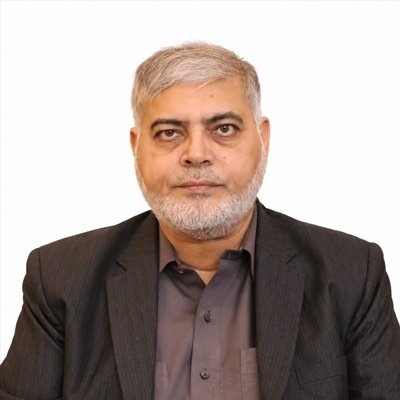
Founder, Author & Educational Tool Developer
Shakeel Muzaffar founded AbjadCalculator.com and developed its calculation tools, Unicode handling, testing, and methodology. His work makes traditional Abjad letter-value systems easier to calculate and understand for educational and research purposes.